WEIGHBRIDGE INDICATOR WITH RS232 CONNECTION

WEIGHBRIDGE INDICATOR WITH RS232 CONNECTION

Price:

Benefits of RS232-Enabled Indicators

  1. Reliable Data Exchange:
    • Ensures accurate and consistent weight data transfer between devices.
  2. Ease of Integration:
    • Simplifies connectivity with legacy systems or industrial networks.
  3. Remote Monitoring:
    • Enables data retrieval and monitoring from remote systems via serial communication.

Applications

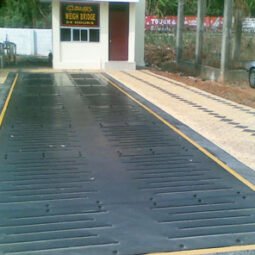
  • Truck and vehicle weighbridges.
  • Warehouse and logistics operations.
  • Industrial processing plants.
  • Agriculture and mining sectors.

Setup and Configuration

  1. RS232 Cable Connection:
    • Connect the RS232 port on the indicator to the external device using a standard serial cable.
    • Ensure the pin configuration matches the target device (e.g., DB9 or DB25 connectors).
  2. Baud Rate and Protocol Configuration:
    • Set matching baud rates and communication protocols on the indicator and the receiving device.
  3. Data Format:
    • Configure the format of transmitted data (e.g., ASCII, start/stop bits, parity).
  4. Testing:
    • Use terminal software (e.g., PuTTY, HyperTerminal) to verify data transmission.
Category: Tags: , ,

Key Features of Weighbridge Indicators with RS232 Connection

  1. Weight Display:
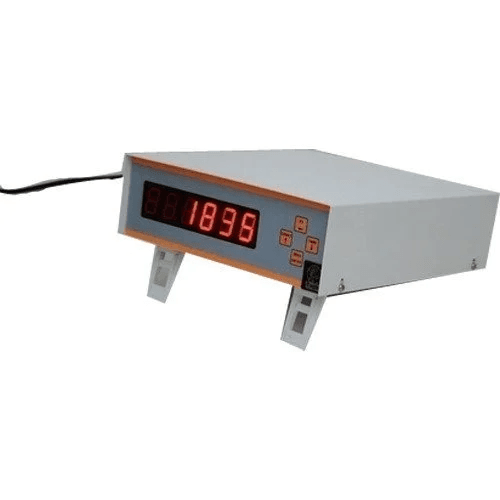
    • Displays the weight measured by the weighbridge in a clear, user-friendly format.
    • Typically features an LED or LCD screen.
  2. RS232 Interface:
    • A standard communication protocol for serial data exchange.
    • Allows the indicator to send weight data to peripheral devices like:
      • Printers (for generating weight tickets).
      • Computers (for integration with ERP or management systems).
      • Data Loggers (for historical recordkeeping).
    • Compatible with software applications for data management and analysis.
  3. Data Transmission:
    • Supports real-time or periodic weight data transmission.
    • Configurable baud rates for communication speed (e.g., 9600, 19200 bps).
  4. Additional Interfaces (Optional):
    • May include Ethernet, USB, or wireless communication options for enhanced connectivity.
  5. Calibration and Configuration:
    • Provides easy access to calibration settings to ensure accuracy.
    • May include tare, zero, and accumulation functions.
  6. Durability:
    • Housed in rugged enclosures to withstand harsh industrial environments.
    • Dust and water-resistant designs (often with IP65 or IP67 ratings).
  7. Integration with Automation Systems:
    • Can be connected to PLCs or SCADA systems for automation and control.